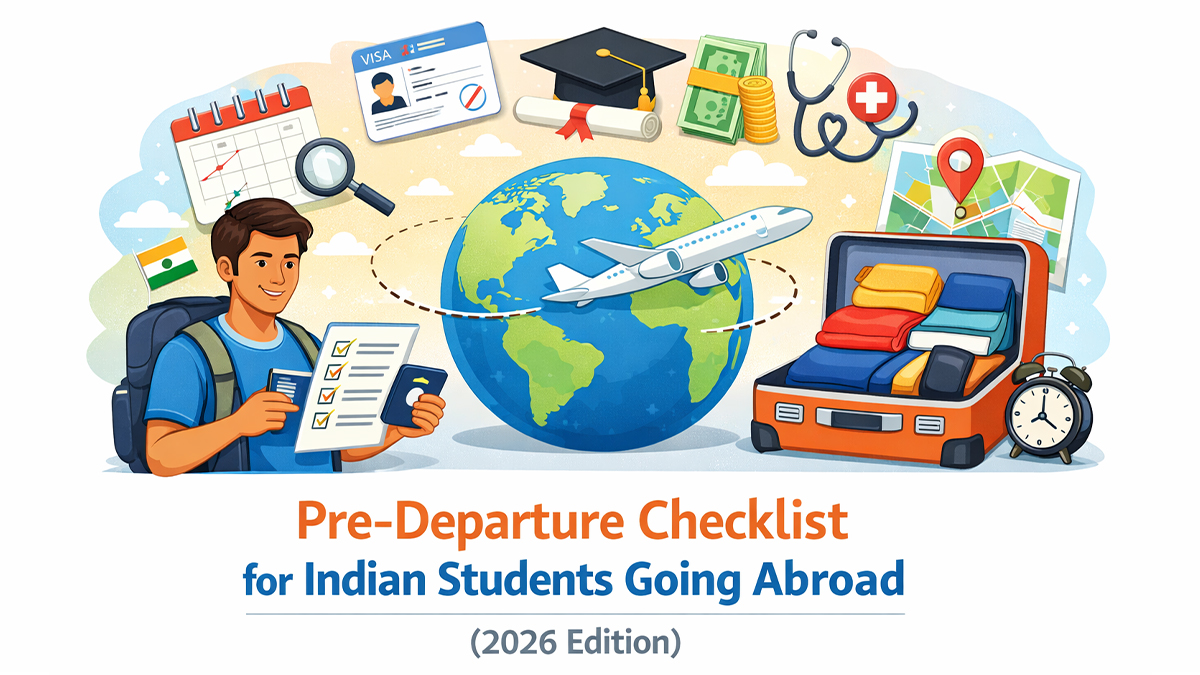
Are you ready to start your study abroad journey? Each year, about 12.6 lakh Indian students go overseas for school. Having a good pre departure checklist students abroad is very important. This checklist helps you get everything ready for a smooth move. You need to prepare important documents and learn about the culture. Being ready can really help you. So, let’s look at the main things that will help you have a great time in your new home!
Collect important papers like your visa, admission letters, and school records early. This helps you avoid stress later.
Make a clear budget for living costs. Include money for food, transportation, and health insurance to handle your money well.
Pack smart by thinking about the weather in your host country. Bring personal items, electronics, and health supplies you need.
Learn about your host country’s culture, customs, and language. This will help you fit in and enjoy your study abroad time.
Make sure you get the needed vaccinations and health insurance. This keeps you healthy and meets the rules for entering your new country.
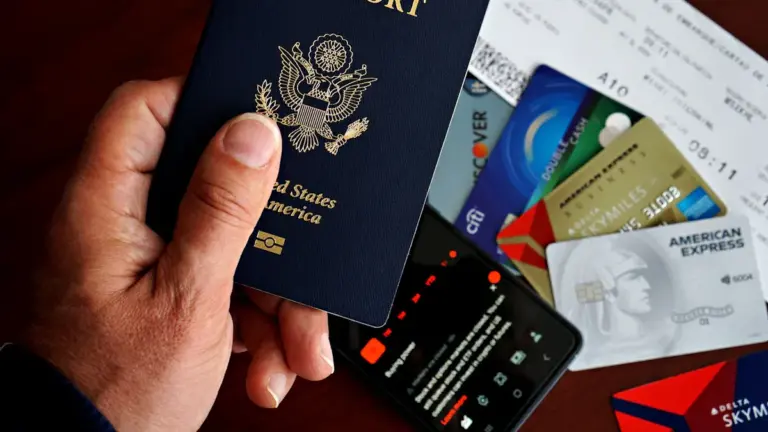
When you get ready to study abroad, having the right papers is very important. These papers help you get into a university and enter your new country easily. Here’s a list of the important documents you need to collect.
Your visa is one of the most important papers you will need. It lets you enter and stay in your host country for school. Each country has different visa rules, so check what you need.
Here’s a quick look at the common visa types for popular study places:
| Country | Visa Type | Key Requirements | Application Fee |
|---|---|---|---|
| USA | F visa or M visa | Letter of Acceptance from an SEVP-approved school | USD 185 |
| UK | Student visa | Students aged 16 years and above | GBP 524 |
| Canada | Study Permit | Enrollment at a Canadian Designated Learning Institution | CAD 150 |
| Australia | Subclass 500 Student Visa | Confirmation of Enrollment in a full-time course | AUD 2,000 |
Keep your admission letter close. It shows you were accepted into the university. You often need this letter when applying for your visa.
Your passport is your ticket to travel abroad. Make sure it’s valid for at least six months after your stay. You also need to show proof of money to support yourself while studying. Different countries accept different types of financial papers.
Here’s a summary of what you might need:
| Country | Accepted Forms of Proof |
|---|---|
| United States | Bank statements, Letters from sponsors, Financial aid awards, Approved education loans |
| United Kingdom | Bank statements, Official letters from financial institutions, Loan documents |
| Canada | Scholarships, Bank statements or certificates, Proof of income from part-time work |
| Australia | Personal savings, Sponsor’s funds, Approved education loans |
| New Zealand | Bank statements, Loan documents, Sponsorship letters |
| Germany | Blocked account for living expenses |
Collect these papers early to avoid stress later.
Your academic records are very important for your application and enrollment. Universities usually ask for official transcripts and degree certificates.
Here’s what you might need for some top universities:
| University | Country | Transcript Requirement |
|---|---|---|
| Harvard University | USA | Official, English-translated transcripts sealed by institution |
| University of Oxford | UK | Certified transcripts with original or certified English translation |
| University of Toronto | Canada | Digital/electronic official transcripts sent directly by university |
| Technical University of Munich | Germany | Attested transcripts with grading system included |
| University of Melbourne | Australia | Certified academic transcripts and consolidated mark sheets |
Make sure you have these school documents ready and translated if needed. This will help you avoid delays in your application.
When you study abroad, managing your money is very important. You want to enjoy your time without always worrying about cash. Here’s how to plan your money well.
First, make a budget for your living costs. This includes things like food, transportation, health insurance, personal expenses, and books. Here’s a list of common living costs in popular study places:
| Category | USA | Canada | UK | Australia |
|---|---|---|---|---|
| Food | USD 300 – USD 600 | CAD 300 – CAD 800 | GBP 155 (London) | AUD 140 – AUD 280 |
| Transportation | USD 70 – USD 150 | CAD 80 – CAD 150 | GBP 103 (London) | AUD 15 – AUD 55 |
| Health Insurance | USD 1,500 – USD 2,500 | CAD 600 – CAD 900 | GBP 776 | AUD 806 |
| Personal Expenses | USD 100 – USD 300 | CAD 100 | GBP 10 – GBP 50 | AUD 80 – AUD 150 |
| Books and Supplies | USD 1,000 – USD 1,500 | CAD 250 – CAD 350 | GBP 21 | AUD 500 – AUD 1,000 |
Make sure to write down all expected costs. This will help you create a clear budget. Set aside money for each category and keep track of what you spend. You can use budgeting tools or apps to stay organized.
Next, let’s discuss currency exchange. You want to get the best rates to make your money last longer.
Here are some tips:
Before you leave, think about loading about 70% of your travel budget onto a Forex card. This helps you lock in exchange rates and manage your money better.
Finally, you need to show proof of funds when applying for your visa. Different countries have different rules.
Here’s a quick overview:
| Country | Minimum Proof of Funds |
|---|---|
| United Kingdom | Tuition + £1,334/month for 9 months (London) |
| Canada | CAD 20,635 yearly for living costs |
| United States | Depends on the I-20 form estimate |
| Australia | AUD 24,505 yearly |
Gather the needed documents early. This may include bank statements, scholarship letters, or sponsorship letters. Having these ready will make your visa application easier.
By planning your money carefully, you can focus on your studies and enjoy your time abroad. Remember, a good financial plan is part of your pre-departure checklist for students abroad!
Packing smart can help you adjust to studying abroad. You want to have everything you need without bringing too much. Here’s a list of what Indian students should pack.
Think about the weather in your host country when packing clothes. Bring layers for cold places and lighter clothes for warm ones.
Here’s a quick list of clothing you should pack:
Don’t forget personal items like toiletries and a laundry bag. Many students forget things like padlocks, luggage tags, and even bedsheets. Be sure to check off these often-missed items!
You’ll want to stay connected while studying abroad. Here’s a list of important electronics:
| Region | Plug Type | Voltage (V) |
|---|---|---|
| India | Type D | 230 |
| USA/Canada | Type A/B | 120 |
| Europe | Type C/F | 220-240 |
Make sure to pack:
These gadgets will help you stay connected and make life easier.
Your health is very important. Before you leave, gather these health and safety items:
It’s important to have your Student Health Insurance ready before traveling. This is often needed for universities in the USA and Australia. Bring all necessary medical records and prescriptions to avoid problems.
Packing smart can help you succeed. Use this packing checklist to make sure you have everything ready for your exciting journey abroad!
When you get ready for your study abroad trip, don’t forget about your health and insurance. Taking care of these things can really help your experience. Here’s what you should know.
Many countries need certain vaccinations for entry. Here’s a quick list of the approved vaccines for some popular places:
| Country | Approved Vaccines |
|---|---|
| United States | AstraZeneca, Covaxin, Covishield, Pfizer-BioNTech, Moderna, Johnson & Johnson |
| United Kingdom | AstraZeneca, Covaxin, Covishield, Pfizer-BioNTech, Moderna |
| Canada | Covaxin, Covishield |
| Australia | AstraZeneca, Covaxin, Covishield, Moderna, Sputnik V, Novavax, Janssen |
Make sure to check what your destination needs. Keeping your vaccinations up to date helps you meet entry rules and stay healthy while studying abroad.
Health insurance is very important when you study abroad. About 60% of Indian students buy health insurance before they leave. This coverage can help you with unexpected medical costs. Look for plans that cover:
Many universities have health insurance plans for international students. Compare these plans with private insurance to find what works best for you.
Before you go, gather any medicines to carry while travelling abroad.
Here’s a quick list of what to bring:
Being ready with your medications can help you avoid health problems while adjusting to a new place.
Taking care of your health and insurance needs is a key part of your pre departure checklist students abroad. With the right preparations, you can focus on your studies and enjoy your new adventure!
Getting ready for a new culture is just as important as packing. Knowing about your host country can help you adjust better and enjoy your time. Here’s how to prepare!
Start by learning about the culture, school system, and daily life in your new home. Use resources like Exploring Top International Study Destinations for Indian Students and Top 10 Best Countries to Study Abroad for Indian Students to find useful information. Knowing local customs, food, and social rules will help you feel more comfortable.
Tip: Check if your university has orientation programs or cultural clubs. These are great ways to meet new friends and learn about your surroundings.
Learning the local language can really improve your time abroad. Here are some good ways to start:
By working on the language, you’ll connect better with locals and handle daily life more easily.
Getting to know local customs is very important. Here’s a quick look at key practices in popular study countries:
| Country | Custom/Practice | Description |
|---|---|---|
| United States | Greetings | Handshakes are the main way to greet, with brief contact and direct eye contact. |
| United Kingdom | Personal Space | Keep more distance when talking than in Indian customs. |
| Canada | Dining Manners | Bring a small gift to dinner parties and wait for the host to serve food before you eat. |
| Australia | Public Conduct | Jumping the queue is rude; stay quiet when using phones in public. |
Knowing these customs will help you avoid mistakes and make a good impression.
By following this travel checklist for students abroad, you’ll be ready to enjoy your new adventure. Cultural preparation is key to making the most of your study abroad experience!
Getting ready for your study abroad trip is very important. A good pre departure checklist students abroad helps you avoid mistakes like forgetting important papers or not being ready for culture shock. By using this checklist, you make sure you have everything ready, from your visa to your health insurance.
Here are some main benefits of being prepared:
Remember, doing these things not only helps you adjust but also makes your experience better. So, get set to enjoy your new adventure with confidence!
If your visa application is denied, check the reasons given. You can appeal the decision or apply again with the right documents. Think about getting help from an education consultant for advice.
Start by looking at your university’s housing options. Websites like Airbnb or local rental sites can also help. Talk to other students about sharing places to save money.
Feeling homesick is normal. Keep in touch with family and friends through video calls. Join clubs or groups at your university to meet new people and make friends.
Make a budget that includes all your costs. Use budgeting apps to keep track of what you spend. Think about opening a local bank account to handle your money more easily.
Learn about your host country’s customs and traditions. Be open-minded and ready to learn. Get involved with locals and join cultural events to fully experience the new place.