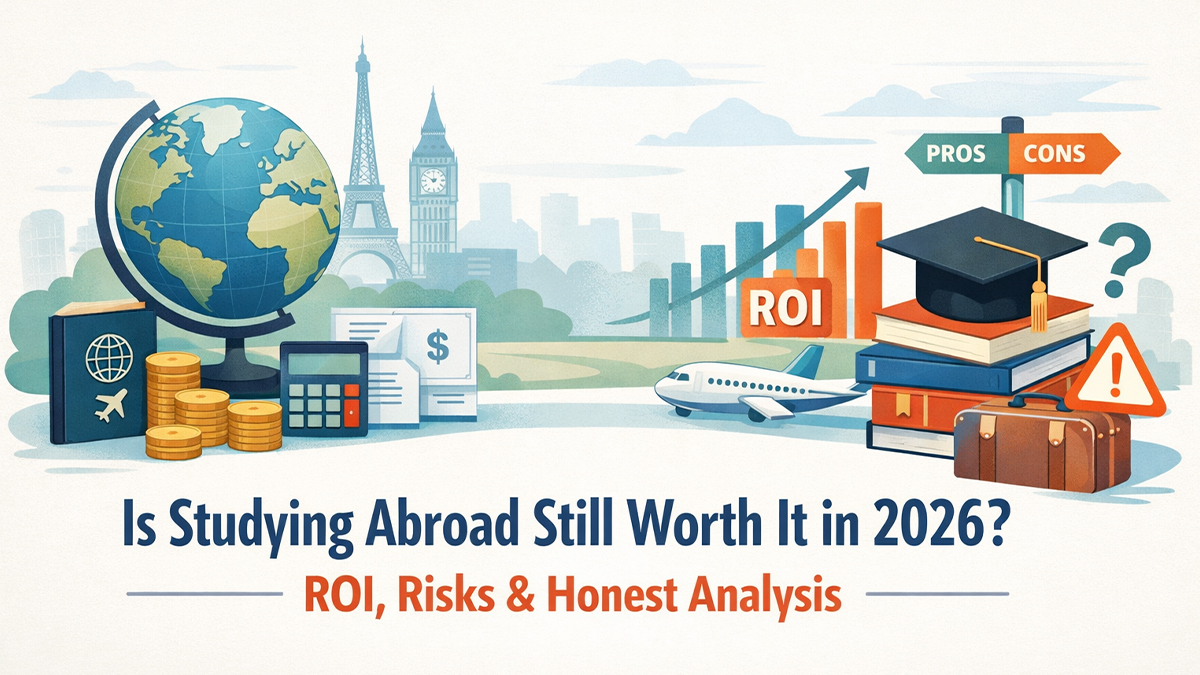
Studying abroad can change your life and is studying abroad worth it? It helps you grow, see new places, and get better job chances. However, its worth depends on good planning, money spent, and what you study. In 2026, countries like Germany and France are cheaper options. For example, a two-year Master’s in Germany costs $18,400-$28,000, while living costs there are about $992 each month. In contrast, tuition in the USA can exceed $70,000 for the same duration. If you want to study abroad, understanding these factors can help you make smart choices for your career.
Key Takeaways
Studying abroad can help you get a job. Employers like international experience. This can lead to better job chances.
Think about the return on investment (ROI) when studying abroad. Graduates usually earn more money. Many see their pay double in ten years.
Be careful about financial risks. Tuition and living costs can be very different. Look for scholarships to help with expenses.
Cultural challenges happen often. Get ready for culture shock. Find support to help you adjust to your new place.
Personal growth is an important benefit. Studying abroad helps you gain confidence and independence. You also learn skills that employers want.
Is Studying Abroad Worth It?
Image Source: unsplash
ROI of Studying Abroad
When you think about studying abroad, you need to look at the return on investment (ROI). In 2026, many students are thinking carefully about their choices. They want to know if the money for tuition and living costs will be worth it later.
Here’s what you should know:
Job Opportunities: Studying abroad can help you get better jobs. Employers like international experience. Many graduates find good jobs soon after finishing school.
Salary Outcomes: Graduates from foreign programs usually earn more money than those who studied at home. In fact, many students see their pay double in ten years after graduation.
Long-Term Career Growth: The skills and experiences you gain while studying abroad can help you move up in your career. This is especially true in areas like technology, healthcare, and engineering, where global views matter.
Countries that give post-study work visas are becoming more popular. For example, Germany and Ireland have good options for international students. This lets you gain work experience after you graduate. This can really boost your financial ROI.
High ROI Opportunities
If you’re thinking about studying abroad, some fields and countries are better for high ROI.
Here’s a quick look at where you might find the best chances:
Business, Engineering, Health Sciences, Environmental Studies
Ireland
Technology, Pharmaceuticals, Finance
Netherlands
Logistics, Technology, Design, Sustainability, Business
In 2026, students care more about costs and job chances. Countries like Germany and Ireland attract students with lower tuition and strong job markets. Money worries are making many rethink the value of studying abroad versus studying at home.
As you look at your choices, remember that the right decision can lead to a great career. The money you spend on your education now can really pay off later. So, is studying abroad worth it? If you choose wisely, the answer is a big yes!
Risks of Studying Abroad
Financial Considerations
Studying abroad can be fun, but it has money risks too. Tuition and living costs can add up fast. In 2026, you might see costs like these:
Country
Tuition Fees (Annual)
Living Expenses (Monthly)
Total Annual Cost
Germany
$2,000-$8,000
$400-$650
$6,800-$15,800
Canada
$1,000-$7,000
$600-$900
$8,000-$15,000
USA
$4,000-$10,000
$400-$600
$8,000-$15,000
France
$0-$300
$850-$1,200
$10,000-$15,000
Australia
Free/$4,000-$12,000
$450-$750
$9,000-$15,000
As you can see, the total yearly cost can change a lot. Scholarships can help with these costs. They are important for making studying abroad cheaper. With rising tuition and living costs, getting a scholarship can really help your finances after you finish school.
Job Market Saturation
Another risk is job market saturation. In 2026, many international students want the same jobs. Studying abroad can make your resume better, but it does not promise a job. You need to know about the competition in your area.
Post-study work chances are important for getting experience and paying back your school costs. But, these visas are very popular. Countries like Canada and Australia give longer visa times, which can help graduates who want to stay permanently.
You should also get ready for cultural changes. About 80% of international students feel culture shock, and 50% have mental health issues. These things can affect how well you do and enjoy studying abroad.
Benefits of Studying Abroad
Image Source: pexels
Career Advantages
Studying abroad has many career advantages that can help you get a job. Employers want people with international experience. This shows that you are independent and motivated. Here are some benefits you can expect:
Career Advantage
Description
Improved Employability
Employers look for candidates with international experience, showing independence and motivation.
Access to High-Quality Education
Studying abroad gives you better educational resources and teaching methods.
Development of a Global Network
Graduates can make connections that may lead to jobs in big companies.
Enhanced Problem-Solving Skills
Being in a new country helps improve your critical thinking and adaptability.
Higher-Paying Positions
A degree from another country can help you find better jobs and earn more money.
Leadership and Consulting Roles
Graduates are often seen as better for leadership jobs because of their diverse experiences.
Entrepreneurial Ventures
Studying abroad can inspire new business ideas with a global view.
Graduates with international experience often do better in interviews. They gain better communication skills, making them more attractive to employers. The hands-on experience you get abroad sets you apart in the job market, leading to better skills and career outcomes.
In 2026, fields like data science, cybersecurity, and business analytics are very good for jobs. Many graduates see their salary double in a few years because of clear salary paths in global job markets. This shows how studying abroad is a smart investment in your future.
Personal Growth
Studying abroad is not only about school; it’s also about personal growth. Living in a new country challenges you and helps you become stronger and more independent. Here are some personal growth results you can expect:
Trying new things builds confidence, which helps in both personal and career life.
International education improves important skills needed for global careers, including soft skills from social interactions.
Living in a new place helps you find your inner strength and boosts your confidence.
Living abroad pushes you out of your comfort zone. You learn to handle new situations and overcome language barriers, which makes you more adaptable. This independence is important for personal growth and helps you face future challenges.
Also, there are many chances to network while studying abroad. You meet different professionals, learn about industry trends, and improve your cultural understanding. This wider network can help you find job opportunities that you might not see through regular searches.
In the end, studying abroad in 2026 can change your life. It gives you a chance to grow both personally and professionally. To get the most from this chance, think about these important things:
Career Goals: Decide what you want to do after you graduate.
Skills Shortage: Find out what qualifications you might need.
Budget & Funding: Check your money situation and search for scholarships.
Work Preferences: Think about how much post-study work options matter to you.
Lifestyle Choices: Consider what kind of living place you like.
Studying abroad not only makes you more employable but also helps you gain important skills like adaptability and problem-solving. Many employers appreciate international experience, which helps you stand out when looking for jobs. So, if you see studying abroad as a smart investment instead of just a fun trip, you can open up many opportunities that will help you for years to come.
Studying abroad helps you grow as a person. It also makes you more employable and gives you access to better education. You gain experience from other countries, build a global network, and improve your thinking skills. All these things can help your career.
How can I fund my studies abroad?
You can pay for your studies with scholarships, grants, student loans, or part-time jobs. Look for scholarships that fit your country and program. Smart budgeting can also help you manage your living costs while studying.
What should I consider before choosing a country?
Think about tuition costs, living expenses, language issues, and job chances. Research the culture and work options after studying. Make sure your choice matches your career goals and personal likes for a good experience.
How do I handle culture shock while studying abroad?
To deal with culture shock, keep an open mind and try new things. Make friends with other students, join clubs, and explore your new area. It’s normal to feel overwhelmed, but it takes time and patience to adjust.
Are there specific fields that benefit more from studying abroad?
Yes, fields like technology, healthcare, and engineering gain a lot from studying abroad. Employers in these areas appreciate different views and skills learned from international experiences, making you a better candidate for jobs.