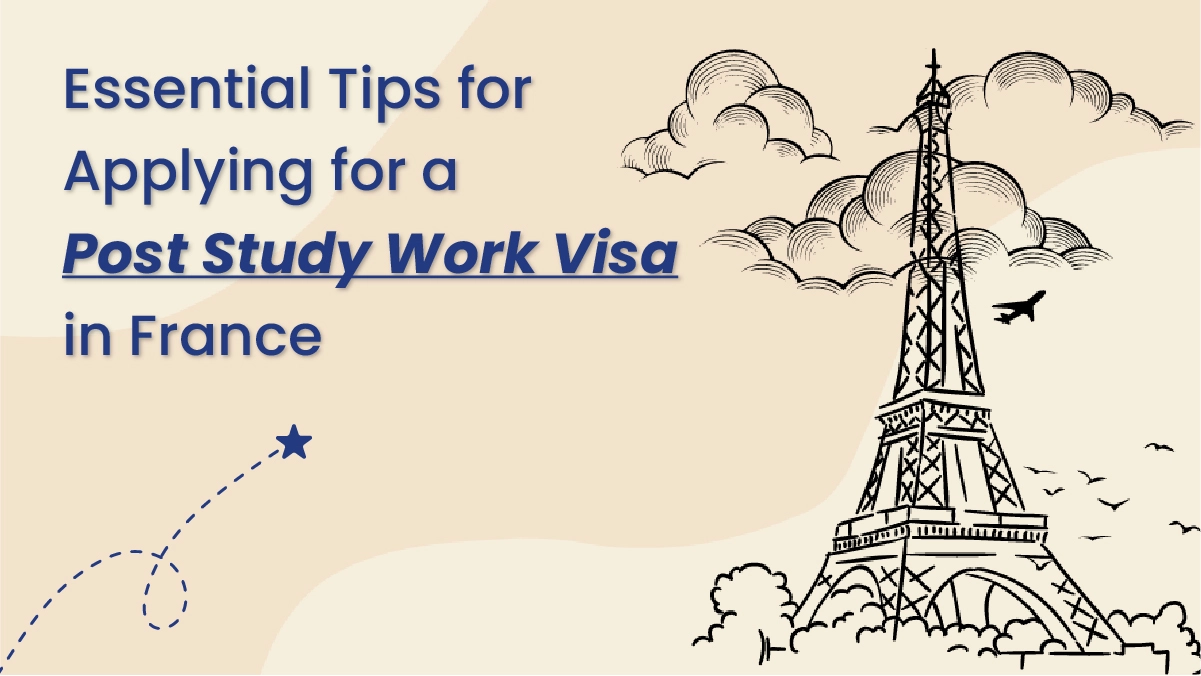
In the academic year 2022-23, France hosted over 412,000 international students, making it a top destination for students from around the globe. Staying in France after completing your studies allows you to become part of thriving industries such as technology, finance, and tourism. You can gain valuable experience through internships or part-time jobs while immersing yourself in France’s rich culture. With the Autorisation Provisoire de Séjour (APS), you have the chance to work for up to 12 months. This guide is here to help you make the most of these opportunities with ease.
The post-study work visa, called Autorisation Provisoire de Séjour (APS), lets international students work in France for 12 months. It can sometimes be extended.
Graduating from a well-known French school improves your chances of getting the APS and finding jobs in Europe.
Start your application early. Collect needed papers, check visa rules, and ask experts for help if unsure.
Make sure all your papers are correct and complete. This helps avoid delays or rejections in your visa process.
Keep up with visa rule changes. Check official websites and join student groups to stay updated.
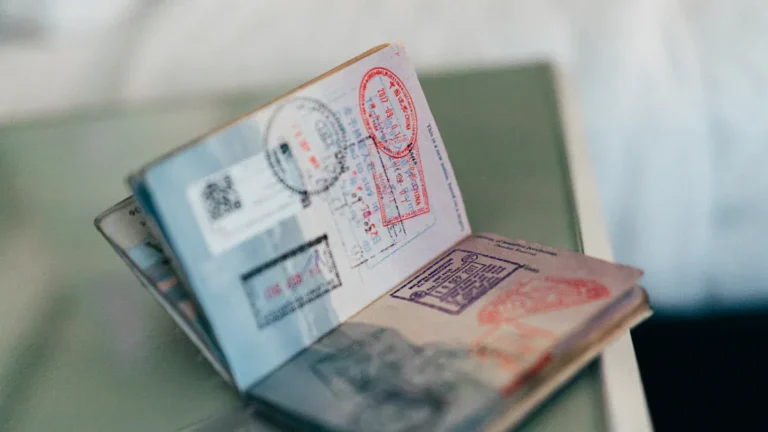
A post-study work visa lets you stay in France after school. It helps you gain work experience in your field. This visa is called the Autorisation Provisoire de Séjour (APS). It is for students who finish their studies at French schools. The APS lets you work in France for up to 12 months. In some cases, you can extend it to 24 months.
This visa helps you move from studying to working. You can take full-time jobs or internships to grow your skills. If you get a long-term job, you can apply for a regular work permit. This permit lets you keep working in France. The APS is a great way to start your career in France or Europe.
The post-study work visa has many benefits for your future. Here are some important ones:
This visa is perfect for students who want to grow their careers. It boosts your resume and lets you enjoy French culture and life.
To get a post-study work permit in France, you must finish your studies at a school approved by the French government. These schools include public universities, private colleges, and Grandes Écoles. Your degree must be at least a master’s level or higher. If you only have a bachelor’s degree, you might not qualify for the Autorisation Provisoire de Séjour (APS).
French schools are known for their tough academic programs. Graduating from one of these schools shows you can meet high standards. This makes your work permit application stronger and helps you find jobs more easily.
France has different rules for students based on their nationality. These rules decide how many hours you can work with a post-study work permit.
For example:
| Nationality | Work Hour Limit |
|---|---|
| Most Students | Up to 964 hours/year |
| Algerian Students | Half of normal hours |
Algerian students can only work half the hours allowed for others. This rule comes from old agreements between France and Algeria. Knowing these rules helps you follow the law and avoid problems.
Your work permit depends on your job plans. You need to show proof of money and housing during your stay. If you want to work, you must have a job offer or internship agreement. Employers may ask for your APS before hiring you.
The APS lets you work in any field, but jobs related to your studies are better. These jobs make it easier to get a long-term work permit later. Employers like workers who are skilled in their study area. By meeting these job-related rules, you can succeed in the French job market.
Preparing for your visa application is an important first step. Good preparation makes the process easier and avoids mistakes.
Here are some tips to help you begin:
By following these tips, you can feel ready and confident to apply.
After preparing your documents, you need to submit your application. France allows both online and in-person submissions. Choose what works best for you.
For online applications, go to the official French visa website. Make an account, fill out the form, and upload your documents. Check everything carefully before submitting. Online submissions are easy and let you track your progress.
For in-person submissions, book an appointment at a visa center. Bring all your documents and your completed form. Arrive early to have enough time for the process. In-person submissions let you ask questions directly to the staff.
Both options are good. Pick the one that fits your needs and helps you apply smoothly.
Sometimes, you may need to attend an interview or extra appointments. These steps check if you meet all the visa requirements.
In the interview, you might be asked about your studies, career plans, and why you want to stay in France. Answer honestly and clearly. Practice common questions to feel more prepared. Being confident can help you do well.
Extra appointments may include giving fingerprints or checking documents. Bring all required papers and follow the instructions from the visa office. These steps are important to finish your application.
By staying prepared and organized, you can handle these steps easily. This will improve your chances of getting your post study work visa.
To apply for a France work permit, you need proof of your studies. This includes your degree certificate and transcripts from your school. These papers show you graduated from a recognized French institution. If your documents are in another language, translate them into French. Make sure they are clear and easy to read.
If you don’t have your final degree yet, you can use a provisional certificate. You can also get a letter from your university. The letter should say you finished your program and can graduate. Having these ready will make your application easier.
You must prove you can support yourself in France. Show that you have enough money in your bank account. Depending on where you stay, you’ll need EUR 50 to EUR 100 daily.
You also need to show where you’ll live. Provide a rental agreement, hotel booking, or a host’s letter. Without these, your application might be delayed or rejected. About 15% of Schengen Visa applications are denied yearly. Some countries even have rejection rates of 30%. Complete financial and housing documents can help you succeed.
If you have a job or internship offer, include those papers. These could be your job contract, internship agreement, or a letter from your employer. These papers show your plans and meet work permit rules.
Make sure the documents are signed and include details like your job title, pay, and work period. Employers may also need to prove they can hire international workers. Having these ready shows you’re serious about working in France.
To get a post-study work visa in France, you need ID and visa papers. These documents prove who you are and that you meet the rules.
First, have your passport ready. It must stay valid while you’re in France. If it’s expiring soon, renew it before applying. Also, make a copy of the passport’s ID page.
Then, include your current student visa or residence permit. This shows you studied legally in France. If your visa expired, explain why your application is late.
You’ll also need passport-sized photographs. These must follow French visa rules. Usually, they need a white background and specific sizes. Check the official rules to avoid errors.
💡 Tip: Make extra copies of your passport and visa papers. They can help if you need to fix or check details.
Don’t forget a completed visa application form. Fill it out carefully so all details match your other papers. Mistakes can slow down your application.
Finally, add a proof of visa fee payment. This receipt shows you paid the fee. Keep it safe because it’s required for your application.
By preparing these papers early, you can avoid rushing. Check everything twice to make sure your application goes smoothly.
Getting a France work permit usually takes 2 to 8 weeks. The time depends on when you apply and if your papers are complete. If you apply during busy times, like summer, it might take longer. To avoid waiting too long, start early and check that all your documents are correct.
If you apply online, you can track your application. This lets you see updates or if more papers are needed. For in-person applications, keep the receipt from your appointment. It proves your application is being reviewed.
Applying for a visa can be tricky. Here are some common problems and tips to fix them:
Many popular countries, like France, don’t have e-Visa options. You’ll need to follow the regular process, which can take time.
By solving these problems early, you can make things easier and less stressful.
If your visa is delayed, contact the visa office right away. Ask for updates and send any missing papers they need. Keep a record of all emails or calls for future use.
If your visa is denied, check the reasons carefully. Common issues include missing papers or not enough money proof. Fix these problems and apply again. You can also ask for help from a visa expert or your school’s international office.
💡 Tip: Always check your documents twice before applying. This helps avoid mistakes and speeds up the France work permit process.
Being prepared and staying calm will help you handle delays or denials better.
Starting your application early gives you enough time to prepare. Make a list of all the documents you need. This includes school records, proof of money, and ID papers. Use the list to check off items as you gather them.
Keep your papers in one folder or digital file. Label everything clearly so you can find it fast. Starting early also helps you fix problems like missing papers or delays. Being prepared makes the process easier and less stressful.
It’s important to make sure your papers are correct. Even small mistakes can cause delays or rejection. Look at every document to ensure details match. For example, your name and birthdate should be the same on all forms.
Visa officers want clear and complete papers. If your documents are not in English, get them translated. Missing or wrong papers can slow down your application. To avoid this, check each requirement for your visa type.
Tip: Use a table to remember common mistakes:
| Mistake | What Happens |
|---|---|
| Missing papers | Application gets rejected |
| Wrong details | Officers may question your case |
Reviewing your papers carefully can help you succeed.
If you’re unsure about the process, ask for help. Visa consultants or school advisors can guide you. They can explain the rules and help with tricky tasks like writing an SOP or interview prep.
Experts are useful for students new to French visa rules. They know the latest policies and give advice that fits your needs. While it may cost extra, it saves time and avoids mistakes.
Note: Apex Education and Overseas Consultancy offers visa help and IELTS coaching for students aiming to study abroad.
By starting early, checking your papers, and asking for help, you can make the process smoother and improve your chances of getting a post-study work visa.
Visa rules and immigration policies can change often. Staying updated helps you meet the latest requirements. Here are simple ways to stay informed:
💡 Tip: Set a reminder to check for updates every month. This keeps you ready for any changes.
Missing updates can cause delays or rejection of your visa. By staying informed, you can adjust quickly and meet all requirements. This smart habit improves your chances of getting your post-study work visa.
A post-study work visa in France helps you start a great career. It lets students from other countries work and enjoy French culture. Staying prepared and organized makes applying easier. Check your papers twice and learn the latest rules to avoid mistakes.
Start now by collecting your papers and learning the steps. With effort and good advice, you can make your dream of working in France come true.
Yes, you can start getting ready before you graduate. Collect important papers like school records and money proof early. This way, you can apply right after finishing your studies.
💡 Tip: Start at least three months before your student visa ends.
Yes, you can extend the Autorisation Provisoire de Séjour (APS) for another 12 months, making it last up to 24 months. But you need to meet certain rules, like having a job or internship in your study area.
If your visa is denied, check the reasons carefully. Fix the problems, like missing papers or not enough money, and apply again. You can also ask for help from visa experts or your school’s international office.
Note: Always check your papers twice to avoid mistakes.
Yes, the APS lets you work in any job. But working in your study field helps you get a long-term work permit. Employers like skills that match your studies.
You don’t need to know French to apply. But speaking French helps you find jobs and settle in France. Taking French lessons can improve your chances.
💡 Tip: Learn French while studying to stand out in the job market.